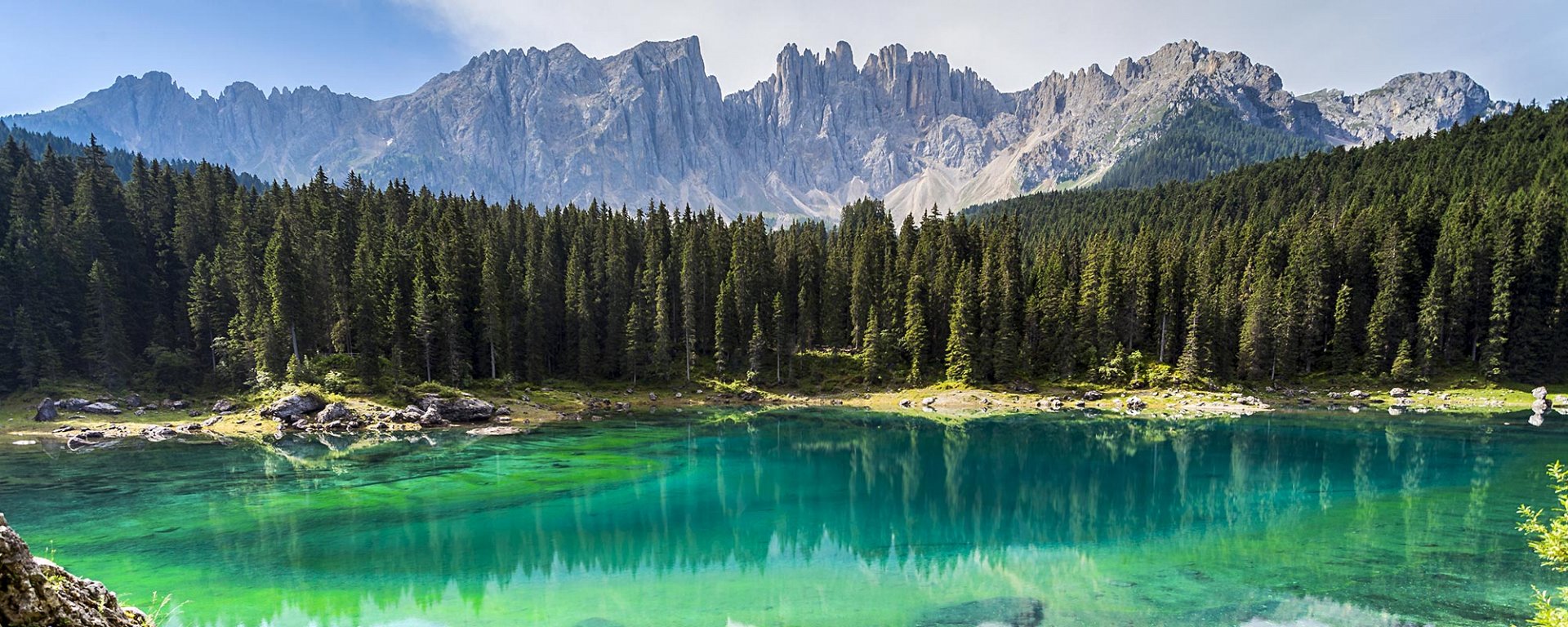



Le Dolomiti, Patrimonio Naturale dell’Umanità UNESCO
Le Dolomiti si estendono su una superficie di 142 mila ettari interessando le 5 province di Belluno, Bolzano, Trento, Udine e Pordenone. A queste si affiancano ulteriori 90 mila ettari, corrispondenti alle cosiddette zone cuscinetto, ovvero delle aree di protezione.
Le Dolomiti si compongono di carbonato doppio di calcio e magnesio e il primo naturalista ad aver analizzato campioni di questa roccia fu Dèodat de Dolomieu. Il particolare tipo di roccia fu nominato “dolomia” proprio in suo onore. Tuttavia ulteriori scienziati ne hanno analizzato la composizione, come ad esempio l’italiano Giovanni Arduino e il tedesco Alexander von Humboldt.
Il riconoscimento dell’UNESCO risale al 26 Giugno 2009 quando, durante il 33° congresso tenutosi a Siviglia, le Dolomiti furono dichiarate Patrimonio Naturale dell’Umanità. La candidatura fu inoltrata dalle medesime 5 province. L’UNESCO a sua volta incaricò l’IUCN (International Union for Conservation of Nature) di verificare le caratteristiche e lo stato di conservazione del territorio. La commissione esaminatrice stabilì che dal punto di vista botanico, geologico e paesaggistico le Dolomiti conservavano perfettamente il loro valore originario e che l’intero complesso montuoso era uno dei più belli del mondo.
I popoli che abitano le Dolomiti sono soliti definirle “Monti Pallidi”. Il loro aspetto contraddistinto dalla roccia chiara in realtà si tinge di viola all’imbrunire, favorendo puntuale il verificarsi di quel fenomeno che le comunità ladine chiamano “enrosadira”.
La tutela di un così vasto territorio non è stata tuttavia cosa semplice. L’intervento dell’uomo ha dovuto più volte fronteggiare un tema delicato riguardo un ambiente da trattare con estrema cautela. E così è stato! L’istituzione di numerose zone protette, volte a salvaguardare flora e fauna locali, hanno fatto sì che le Dolomiti continuassero a godere di un territorio inalterato e visibile a chiunque volesse accedervi. Persino la possibilità di praticare sport nell’area non è stata preclusa. Il carosello sciistico Dolomiti Superski ne è un esempio. La presenza di 12 aree sciistiche dislocate nell’intero territorio, e accessibili attraverso un unico skipass, hanno fatto sì che abituali visitatori sportivi continuassero a godere delle Dolomiti nella loro interezza.
È sempre con grande stupore che visitatori di tutto il mondo contemplano lo splendido scenario delle Dolomiti, le cui vette hanno saputo ispirare persino gli artisti più illustri delle epoche passate.